Declared a tiger reserve in 2013 and covering roughly 760 sq km across four districts, Mukundra Hills Tiger Reserve is a relatively lesser-known wildlife haven of Rajasthan. It’s characterised by rugged hills and dense dry deciduous forests. It includes three wildlife sanctuaries and is part of the Vindhyan range, serving as a potential corridor for tigers dispersing from the much more famous Ranthambore Tiger Reserve.
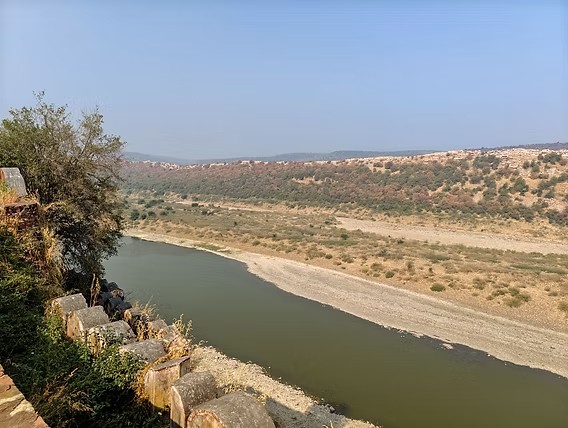
While tigers and leopards steal the fancy of many, another gem of this region remains hidden from the gaze of the masses. At the point where the tranquil waters of the Kali Sindh and Ahu rivers converge, stands the magnificent Gagron Fort. Unlike its desert counterparts, this fortress is a rare example of a Jal Durg or water fort, a testament to its unique strategic placement and architectural ingenuity. Recognised as a UNESCO World Heritage Site as part of the Hill Forts of Rajasthan, Gagron offers a captivating blend of historical grandeur, natural beauty, and a rich narrative that continues to draw history enthusiasts and tourists alike.
A Legacy Forged in Stone and Water
The origins of Gagron Fort can be traced back to the 7th century AD, though its most significant developments occurred from the 12th to the 15th centuries. Built by King Bijaldev, it flourished under rulers like Raja Jait Singh and Achal Das Khichi. Its unique position, flanked by rivers on three sides and a dense forest on the fourth, made it an almost impregnable stronghold. This natural defence, coupled with its formidable walls, rendered it a pivotal strategic asset, controlling crucial trade routes and serving as a vigilant guardian of the region.
Gagron Fort witnessed numerous sieges and battles throughout its long history, each leaving an indelible mark on its legacy. Over centuries, the fort passed through the hands of various powerful empires, including the Delhi Sultanate, the Malwa Sultanate, and eventually the Mughals, before coming under the control of the princely state of Jhalawar. Each transition contributed to its layered history, adding architectural influences and narratives of conquest and resistance.
Architectural Grandeur
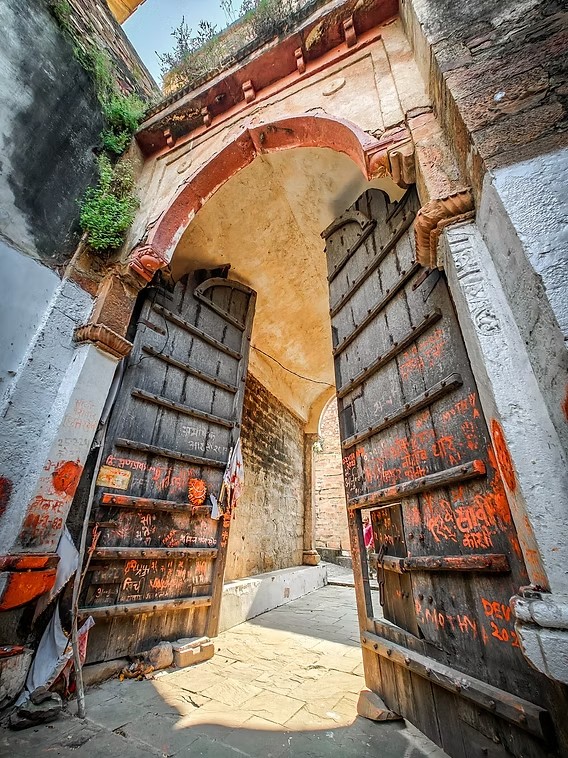
What truly sets Gagron Fort apart is its distinctive construction as a water fort. Instead of simply rising from a formidable hill, it is strategically positioned on a ridge where the two rivers meet, providing a natural moat that was exceedingly difficult for invaders to breach. The fort’s defences were meticulously planned: massive stone walls, robust bastions, and multiple gates, including the Ganesh Pol, Bhairav Pol, and Kishan Pol, each designed to withstand prolonged assaults.
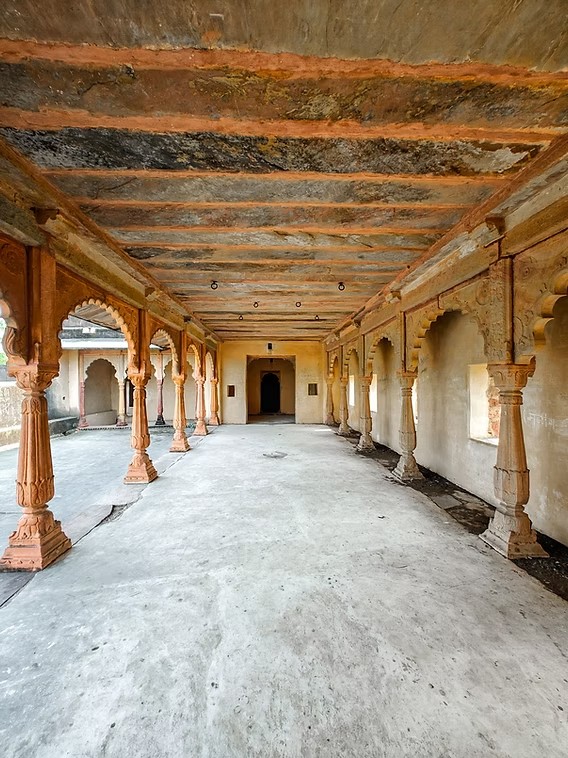
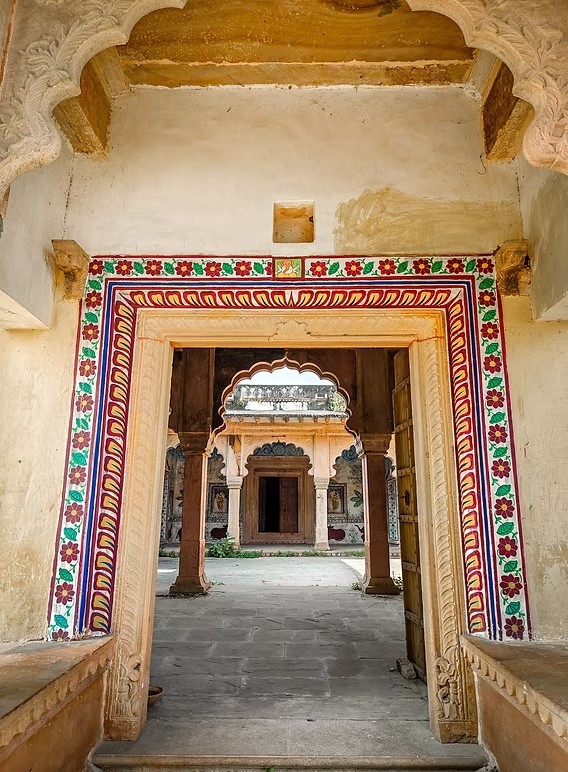
Within its sprawling confines, Gagron Fort is home to several noteworthy structures. The main palace, though largely in ruins, still hints at its past glory. Temples dedicated to various deities, including Lord Shiva and Goddess Durga, signify the religious devotion of its former inhabitants. One of the most revered sites is the dargah (tomb) of Sufi Saint Hazarat Khwaja Hamiduddin Chishti, which attracts devotees and visitors from far and wide, adding a spiritual dimension to the fort’s allure. The fort also features a large courtyard, water tanks, and administrative buildings, all constructed with locally sourced stone, which blends seamlessly with the natural landscape.
A Beacon for Tourism
Today, Gagron Fort stands as a prominent tourist destination, inviting visitors to step back in time and explore its historic pathways. Its unique setting, surrounded by water and lush greenery, offers a tranquil escape from the bustling cities. The panoramic views of the confluence of the Kali Sindh and Ahu rivers from its ramparts are breathtaking, especially during sunrise and sunset, making it a photographer’s delight.
For history buffs, the fort provides an immersive experience. Walking through its gates, imagining the valour of the Khichi Chauhans, and pondering the strategic brilliance of its design is a truly enriching journey. Local guides often share captivating tales of heroism and sacrifice, bringing the fort’s storied past to life.

Beyond the fort itself, the surrounding region offers additional attractions. The nearby Mukundra Hills Tiger Reserve is home to diverse flora and fauna, including tigers, leopards, and various bird species, offering opportunities for wildlife safaris. The fort also becomes a vibrant hub during the annual fair held at Mitheshah Dargah, attracting pilgrims and tourists who witness the cultural richness of the area.
Challenges and Preservation
Despite its UNESCO status, Gagron Fort, like many ancient monuments, faces challenges related to maintenance, natural erosion, and the impact of time. Efforts by the Archaeological Survey of India and the local government are crucial in preserving its structural integrity and historical essence.
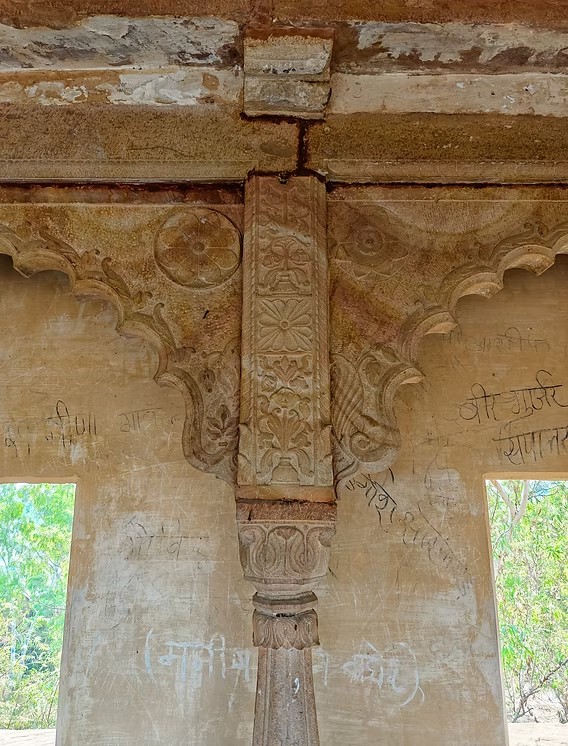
Gagron Fort is more than just a collection of old stones; it is a living monument that narrates tales of courage, strategic brilliance, and cultural confluence. Its distinction as a water fort, combined with its profound historical significance and picturesque setting, makes it an indispensable part of Rajasthan’s heritage and a must-visit destination. As the rivers continue to flow around its timeless walls, Gagron Fort remains a proud symbol of a bygone era, inviting all to explore its depths and marvel at its enduring legacy.
Hi, this is a comment.
To get started with moderating, editing, and deleting comments, please visit the Comments screen in the dashboard.
Commenter avatars come from Gravatar.