
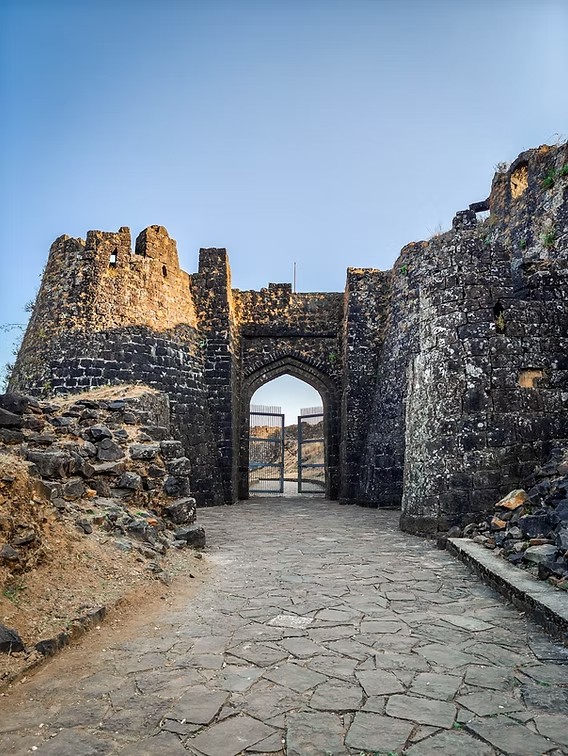
Gawilgarh Fort, a formidable mountain stronghold, is perched strategically in the Satpura Ranges of Maharashtra’s Amravati District, right on the edge of the scenic Melghat Tiger Reserve. Rising to an elevation of over 1,100 m above sea level, its commanding position offered unparalleled views and made it a vital military asset. While local legends suggest a much older mud structure at this spot, the imposing stone edifice that you can see today is largely attributed to the Bahmani Sultanate, with significant fortification undertaken by Ahmed Shah Wali in 1425 AD.
Over centuries, this crucial fort witnessed a tumultuous history, changing hands between the Bahmani, Imad Shahi, Nizam Shahi, Mughal, and Maratha empires, before falling into the hands of the British forces commanded by Arthur Wellesley during the Second Anglo-Maratha War, each leaving their architectural and cultural imprints, thus making it a melting pot of multiple cultures and styles.
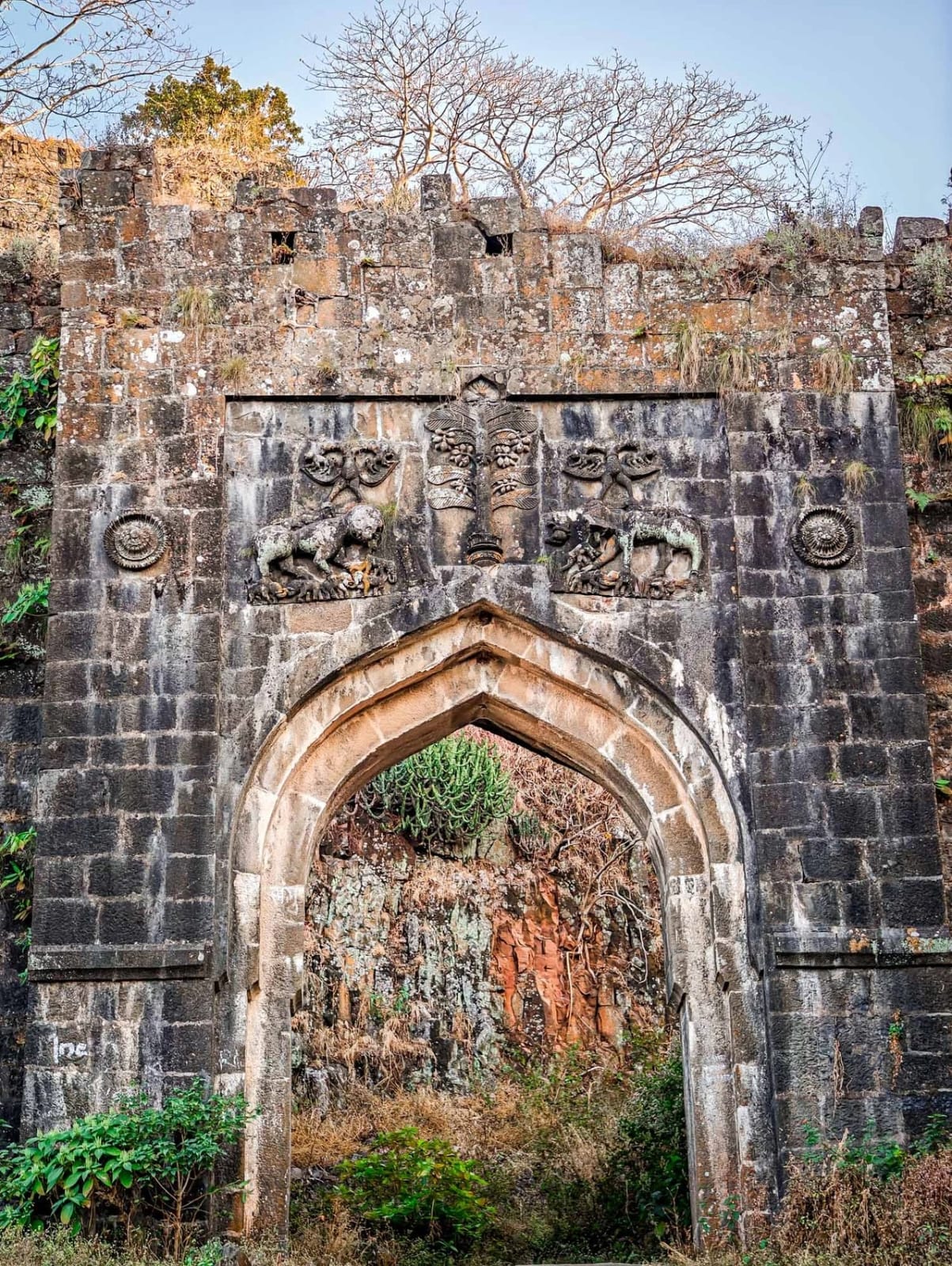
Walking through the trails and tracks inside the fort, you would witness how its architecture is a testament to its enduring strength, featuring massive stone walls, multi-layered defences, and several grand gateways like the intricate Delhi Darwaza. Within its sprawling precincts, you will find remnants of palaces, mosques (such as the elegant Jama Masjid), and granaries, along with beautifully carved idols and ancient cannons that speak of its rich past. Persian, Hindi, Urdu, and Arabic inscriptions etched into the walls narrate tales of its various rulers and historical events.
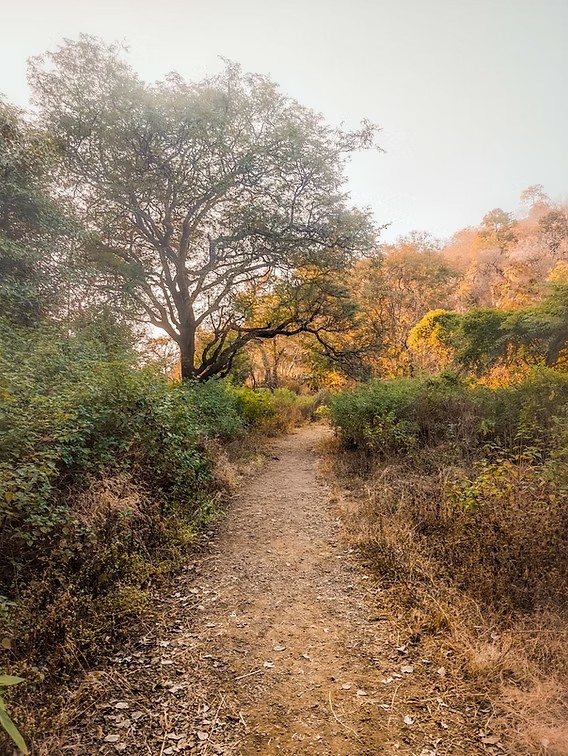
For me, however, one of the most striking and notable features of this giant fort was how well it has been integrated into the nearby wilderness of Melghat Tiger Reserve. When you stand atop the high walls of the fort and glance at the valleys around, you can feel how well the natural and geological features have been incorporated and utilised in the building of this megastructure, and how insurmountable it might have felt for the attacking forces to make it across this large tract of unending hills and ravines scarred by jagged cliffs and steep climbs, all while battling the wilderness of central India. Even centuries ago, people were well aware of ensuring their architecture was in tune with the needs of their surrounding environment.
Managed by the Archaeological Survey of India today, the Fort stands as a recognised heritage site. Despite the ravages of time, it continues to attract history enthusiasts, trekkers, and nature lovers, offering breathtaking panoramic views and a captivating journey into India’s rich military and architectural legacy. The forest guards that frequently patrol this fort to keep a track of animal movement in and around this region are more than helpful in showing you around and are well-versed with the topography, wilderness and even the history of the place.
Declared a tiger reserve in 2013 and covering roughly 760 sq km across four districts, Mukundra Hills Tiger Reserve is a relatively lesser-known wildlife haven of Rajasthan. It’s characterised by rugged hills and dense dry deciduous forests. It includes three wildlife sanctuaries and is part of the Vindhyan range, serving as a potential corridor for…